



Understanding the psychology behind gambling behavior in casinos
The Allure of Gambling
The allure of gambling lies in its ability to evoke a mix of excitement and anticipation. People are often drawn to the thrill of potentially winning big, which can lead to an adrenaline rush. This emotional high is a significant factor that influences gambling behavior. The sights and sounds of a casino, from the jingling of slot machines to the cheers of winners, create an environment that heightens this excitement, making it hard for individuals to resist the temptation to play. Enthusiasts may find themselves exploring various platforms, such as northstarbets-canada.com/, which offer both thrilling games and robust betting options.
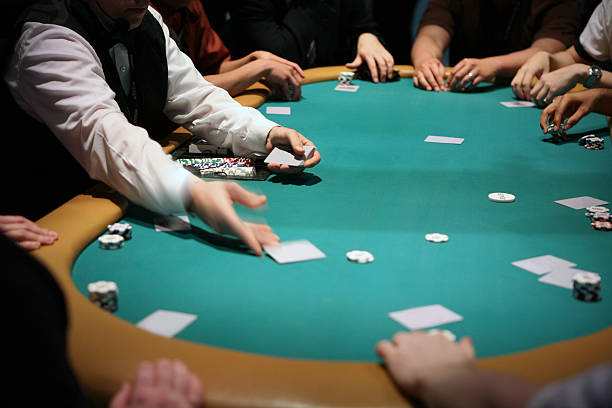
Moreover, the concept of risk plays a central role in attracting gamblers. Many individuals have a natural inclination towards risk-taking, and casinos provide a safe space to explore this side of their personality. The possibility of winning money adds a layer of excitement that transforms the mundane into an exhilarating experience. This psychological aspect is so profound that even the anticipation of winning can trigger the brain’s reward system, releasing dopamine and reinforcing the desire to gamble.
This psychological phenomenon can be explained through the concept of «near misses.» When players nearly win—a spin away from jackpot or one card short in poker—they experience a surge of hope and excitement. These near misses can motivate players to continue gambling, as they feel a stronger connection to winning, leading them to believe that a victory is just around the corner.
The Role of Environment in Gambling Behavior
The environment of a casino is meticulously designed to enhance the gambling experience. From the layout to the lighting, every detail plays a role in influencing behavior. Casinos typically lack windows and clocks, creating a timeless atmosphere where players can lose track of time. This design encourages prolonged play, as individuals remain engaged without the usual constraints of time or daily responsibilities.
Additionally, the use of colors and sounds within casinos is strategically planned to stimulate excitement. Bright colors like red and gold evoke feelings of luxury and success, while the constant sounds of coins dropping and machines spinning provide auditory cues that keep players engaged. This multi-sensory experience immerses gamblers in a world where winning feels imminent, often leading to extended gambling sessions.
The presence of other players can also enhance the gambling experience. Social interaction, whether through playing at a table or cheering with fellow players, can create a sense of community and shared excitement. This social aspect can be incredibly reinforcing, as individuals feel a sense of belonging and validation, further encouraging their gambling behavior.
Cognitive Biases and Gambling
Cognitive biases significantly impact gambling behavior. One of the most common biases is the «illusion of control,» where players believe they can influence outcomes, especially in games of chance like slots or roulette. For instance, a player might think that their strategy or behavior can lead to better odds, which can lead to increased betting and prolonged gaming sessions.
Another prevalent bias is the «gambler’s fallacy,» the belief that past outcomes affect future results. For example, if a roulette wheel lands on red multiple times, players might bet on black, believing it is «due» for a win. This flawed reasoning can cause players to make irrational bets and can lead to significant losses, as they chase perceived patterns rather than understanding the randomness of the game.
These cognitive biases are not merely isolated phenomena; they often interconnect, leading players deeper into gambling behavior. The more individuals engage with these biases, the more entrenched their beliefs become, often making it challenging for them to recognize the risks involved and to make rational decisions about their gambling habits.
The Role of Emotion in Gambling
Emotion plays a crucial role in shaping gambling behavior. The highs associated with winning can lead to a euphoric state, often prompting players to chase additional wins. Conversely, losses can elicit feelings of frustration and disappointment, which may drive individuals to gamble more in an attempt to recoup their losses. This phenomenon is known as «chasing losses,» where players continue to bet in hopes of reversing their financial situations.
Furthermore, the emotional experience associated with gambling is often compounded by personal and social factors. Stress, loneliness, and anxiety can drive individuals to seek the escapism that gambling provides. The fleeting excitement of gambling can offer a temporary distraction from life’s pressures, making it an appealing option for some individuals, even if it leads to negative consequences in the long run.
Additionally, emotional attachments to certain games or betting systems can also influence behavior. A player may develop a strong affinity for a specific slot machine or card game, often believing that their emotional connection will lead to better outcomes. This attachment can perpetuate gambling behavior, as the individual seeks to recreate the feelings associated with past wins, often ignoring the reality of the odds involved.
Finding Balance in Gambling
Understanding the psychology behind gambling behavior is essential for promoting responsible gaming. Awareness of the cognitive biases and emotional factors influencing decisions can empower players to make more informed choices. It is crucial for individuals to recognize the signs of problematic gambling, such as increasing bets in hopes of recovery or neglecting responsibilities due to gambling activities.
Many casinos and online platforms, including NorthStar Bets, actively promote responsible gambling practices. These initiatives often include educational resources, tools for setting spending limits, and self-assessment questionnaires to help players understand their behavior. By fostering a culture of awareness, the industry aims to mitigate the risks associated with gambling and promote a more sustainable gaming environment.
Ultimately, finding balance is key. Gamblers are encouraged to treat gaming as a form of entertainment rather than a means of financial gain. By setting limits and recognizing the psychological factors at play, individuals can enjoy the excitement of gambling without compromising their well-being or financial stability.