



The Allure of Chance and Risk
The thrill of uncertainty drives many to participate in casino games. The basic premise revolves around the unpredictable outcomes that evoke excitement and anticipation. Players often find themselves drawn to the idea that they could potentially win big with just one roll of the dice or spin of the wheel, creating a captivating psychological allure. This risk-taking aspect taps into the human brain’s reward system, offering bursts of dopamine that can lead to exhilarating highs. Some even explore the best social casinos to experience this rush in a more interactive setting.
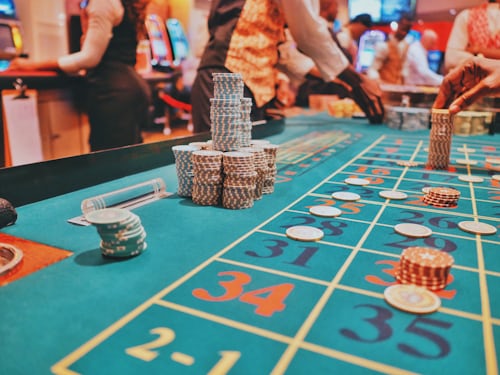
Moreover, the concept of luck plays a significant role in players’ motivations. Believing in chance allows individuals to feel a sense of control over their fate, even in situations where outcomes are entirely random. This paradox of control versus randomness can be highly engaging, further drawing players into the immersive environment of a casino.
The Social Dynamics of Gambling
Casinos are not merely places of solitary play; they are vibrant social hubs. Many are attracted to the communal experience of gambling, where players can interact, share stories, and celebrate wins together. This social interaction enhances the overall experience, making it more enjoyable and fulfilling. The laughter, cheers, and collective anticipation create an atmosphere that is hard to replicate elsewhere, which can be a powerful motivator for many to participate.
Additionally, the camaraderie among players can lead to a shared identity, fostering a sense of belonging. This societal aspect of gaming taps into fundamental human needs for connection and belonging, making the experience more appealing. In a world where social interactions sometimes feel limited, casino games provide a unique opportunity to bond over shared experiences.
The Psychological Impact of Winning and Losing
The psychological effects of winning can be profound, reinforcing the desire to continue playing. When individuals experience a win, it activates the brain’s pleasure centers, creating feelings of euphoria and satisfaction. This reinforces the behavior, leading players to chase that high again, often leading to continued play—even in the face of losses. This phenomenon is known as the «near-miss effect,» where players feel encouraged to keep trying after narrowly missing a win.
Conversely, the emotional burden of losing can also influence gambling behavior. While some may walk away after a loss, others may double down, believing that a win is just around the corner. This mindset can trap players in a cycle of chasing losses, a psychological state that casinos often exploit through the design of games and the layout of their surroundings, amplifying the competitive and emotional stakes.
Casino Game Design and Player Engagement
The design of casino games is intentionally crafted to optimize player engagement and retention. Bright lights, enticing sounds, and the use of color all serve to create a stimulating environment that captures attention. These sensory stimuli can enhance the overall experience, making players more likely to stay longer and invest more money. The strategic placement of games encourages exploration, leading players deeper into the casino, while also heightening their emotional investment.
Additionally, many games incorporate elements of skill, which can further engage players. This hybrid of chance and skill creates a complex psychological interplay that keeps players challenged and invested. Players often develop strategies and techniques, which can enhance their sense of control and competence. This blend of factors ensures that the experience remains fresh and exciting, continually drawing players back for more.

Website and Community Engagement
While exploring the psychology behind casino games can reveal much about human nature and behavior, engaging with communities online can provide further insights and discussions. Connecting with like-minded individuals can enhance the overall experience of gaming, leading to shared learning and insights. Online platforms often serve as spaces for players to discuss strategies, share experiences, and reflect on their gambling behaviors, creating a rich community dynamic.
Additionally, using resources and engaging with content focused on the intersection of psychology and gaming can deepen understanding and enhance one’s overall experience in the casino environment. This synergy between individual exploration and community interaction can lead to a more fulfilling engagement with casino games and a better appreciation for the intricacies of why we play.